How Vodacom Was Built: Alan Knott-Craig, Vodafone and the JSE Listing
How Alan Knott-Craig built Vodacom from a 1993 venture into a listed African group, with dated Vodafone ownership and management control explained.
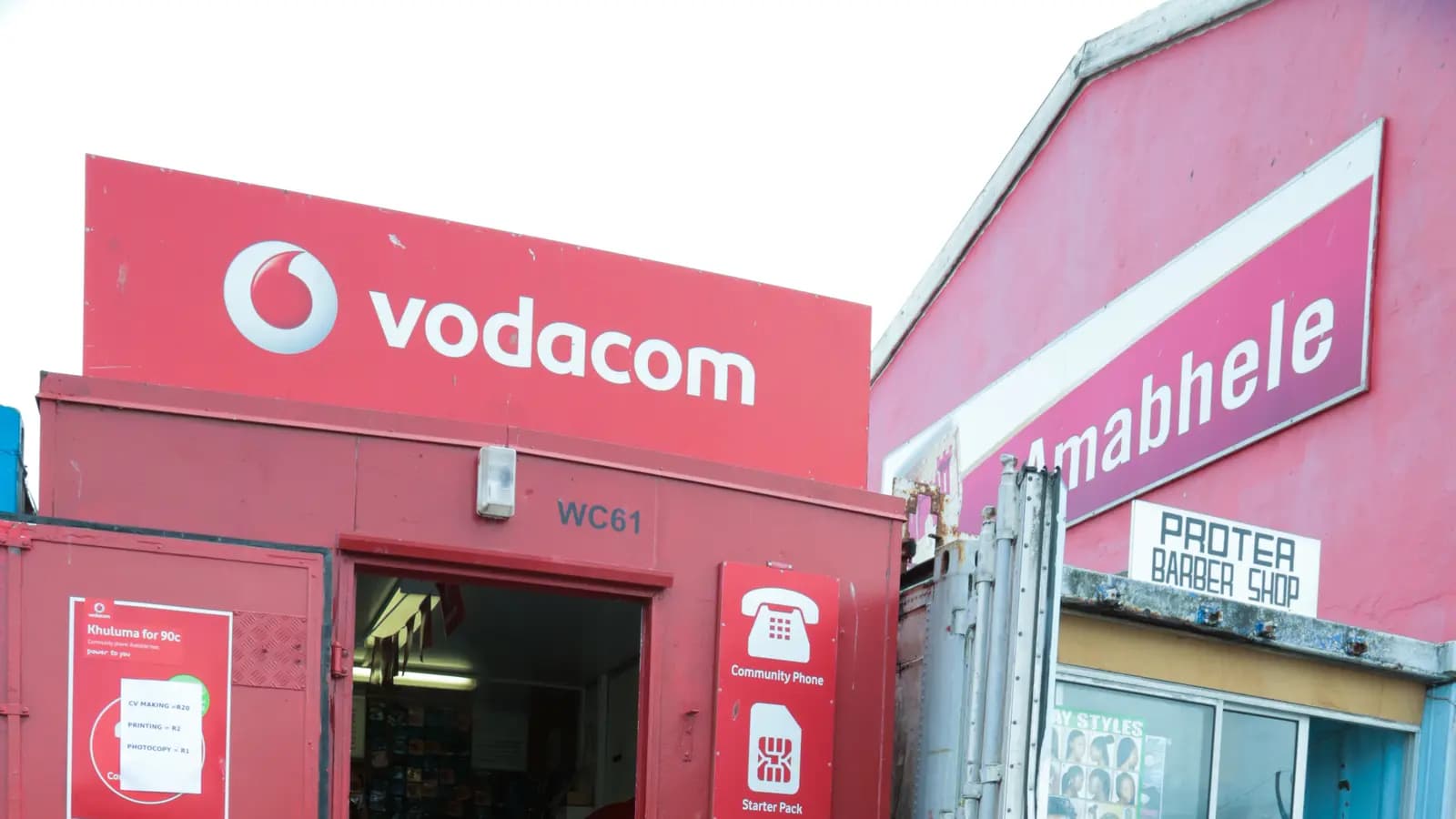
How did Vodacom begin?
Vodacom began in 1993 as South Africa prepared to issue licences for mobile networks. It started as a corporate venture, not a private founder-owned start-up. [1][2]
The company records 19 May 1993 as its inception date. Commercial operations in South Africa began on 1 June 1994. [1]
Alan Knott-Craig led the founding management team. He had investigated digital mobile technology while working in strategic planning at Telkom. [2][10]
The origin therefore combined a builder, an operating team and shareholder capital. These roles must remain separate in the historical record. [2]
Alan Knott-Craig developed the operating idea
Knott-Craig started studying possible uses for digital mobile technology in 1991. Nelson Mandela University records this work during his Telkom career. [10]
The work required him to make a commercial case for portable telephones when many decision-makers doubted the likely demand. [10]
Vodacom appointed him managing director of its South African operating company in May 1993. He led it before the commercial launch. [2]
This evidence supports describing him as the founding builder. It does not support a claim that he personally owned Vodacom equity. [2][3]
The first network launched in June 1994
Vodacom started commercial service on 1 June 1994. The launch converted a licensed corporate plan into a customer network. [1]
The company then built distribution, billing, network and customer support functions around the mobile service. [2]
Prepaid service became important as mobile access spread beyond customers who could qualify for long contracts. [2]
The operating company was Vodacom Proprietary Limited. The later listed parent is Vodacom Group Limited. Their legal roles are different. [2][4]
A founding team built the company
Vodacom called Knott-Craig its founding chief executive and described continuity across the original management team. [2]
Leon Crouse led finance from the company’s inception. Pieter Uys joined the initial engineering team in 1993. [2]
Shameel Joosub joined in 1994 and later led the South African business. He was not the original chief executive. [2][8]
The team evidence prevents one person from receiving credit for every function. It also preserves Knott-Craig’s distinct leadership role. [2]
Telkom and Vodafone shared ownership before listing
At 31 March 2008, Telkom held 50% of Vodacom Group. Vodafone held the other 50% through two South African subsidiaries. [2]
That structure divided equity equally between the two shareholder groups. Neither shareholder held an outright equity majority. [2]
The joint structure also affected governance. Telkom appointed the chair, while management ran the operating businesses. [2]
Equity, board rights and daily management were related but different. A 50% stake did not make Telkom the sole operating controller. [2]
Expansion changed the scale before the listing
Vodacom expanded from South Africa into Tanzania, the Democratic Republic of Congo, Mozambique and Lesotho before its public listing. [2]
Each market used a local operating company and a stated group interest. The Vodacom brand did not erase those legal entities. [2]
The expansion created a regional group above the South African network. It also made group reporting more important. [2]
A reader should therefore distinguish Vodacom Group from Vodacom South Africa when discussing revenue, licences or customers. [2][7]
The 2009 transaction changed ownership
Vodacom announced a linked set of transactions in March 2009. Telkom agreed to sell 15% of Vodacom to Vodafone. [3]
The sale increased Vodafone’s interest from 50% to 65%. Telkom retained 35% for the next transaction step. [3]
Telkom then planned to distribute that remaining interest to its shareholders after Vodacom listed. [3]
This was not a conventional sale of new shares to fund a start-up. It separated an established joint venture from Telkom. [3][4]
Vodacom listed on 18 May 2009
The first timetable named 5 May 2009 as the expected listing date. The company later revised the date. [3][4]
Vodacom listed on the JSE on 18 May 2009 after the conditions for Telkom’s 15% sale were fulfilled. [4]
The listed security became Vodacom Group Limited under the ticker VOD. The South African operating company remained a subsidiary. [4]
Public trading widened share ownership, but Vodafone entered the listed period with a controlling economic interest. [3][4]
The main corporate relationships
The records below separate the listed parent, operating company and two historic shareholder groups. [2][3]
| Entity | Role | Key date | Ownership or control point | Sources |
|---|---|---|---|---|
| Vodacom Group | JSE-listed parent | Listed 18 May 2009 | Vodafone held 65.1% at 26 October 2026 | [4] [9] |
| Vodacom South Africa | South African operating company | Commercial launch 1 June 1994 | Managed within the Vodacom group | [1] [2] |
| Vodafone Group | Controlling shareholder | 65% after the 2009 transaction | 65.1% group equity interest at review date | [3] [9] |
| Telkom | Founding shareholder group | 50% at 31 March 2008 | Exited through sale and distribution in 2009 | [2] [3] |
Vodafone ownership changed after listing
Vodafone’s holding later fell to about 60.5% after Vodacom moved a black ownership arrangement to the listed group in 2018. [5]
That transaction issued new Vodacom Group shares to the participating investors. The issue diluted existing shareholders proportionally. [5]
Vodacom completed the purchase of 55% of an Egyptian operator in December 2022. Most consideration took the form of new Vodacom shares. [6]
Those new shares increased Vodafone’s Vodacom interest from 60.5% to 65.1%. The percentage measures equity in the listed group. [6]
Equity does not equal daily management
Vodafone’s 65.1% stake gives it majority equity and voting influence at Vodacom Group. It is not a personal holding of any executive. [9][8]
Vodacom’s board had twelve directors at the review date. Five non-executive directors represented Vodafone. [8]
The board separated the chair and chief executive roles. Saki Macozoma served as independent chair. [8]
Shameel Joosub served as group chief executive. His management authority came through office and board appointment, not founder status. [8]
Shameel Joosub became the long-serving group chief executive
Joosub joined Vodacom in 1994 and held several operating roles before leading the group. [2][8]
He became managing director of Vodacom South Africa in 2005. He later worked as chief executive of Vodafone Spain. [2][8]
Vodacom appointed him group chief executive in 2012. The company still listed him in that role on 26 October 2026. [8]
His career shows succession within the founding-era organisation. He did not replace the company’s shareholders or listed parent. [8]
The 2026 group is larger and more diverse
Vodacom reported 237.3 million customers across eight markets for the year ended 31 March 2026. The total included associate customers. [7]
Group revenue reached R167.652 billion. Service revenue was R133.561 billion, while operating profit reached R44.108 billion. [7]
The group also reported 103 million financial-services customers, including the Kenyan associate on a full basis. [7]
These figures describe the consolidated and associated 2026 footprint. They are not measures of the original South African launch. [7]
Why the corporate distinctions matter
A customer can use the Vodacom name without dealing with the listed company directly. The operating subsidiary supplies the local service. [2]
An investor buys shares in Vodacom Group Limited. The ticker does not represent a direct share in every operating licence. [4][7]
Vodafone owns a majority interest in the parent. It does not personally manage each customer account or network project. [9][8]
Telkom helped form and own the venture, but it exited the equity structure in the linked 2009 transactions. [3]
Dates answer different corporate questions
The 1993 date marks corporate inception and the start of management work. It does not describe a public share listing. [1][4]
The 1994 date marks commercial service in South Africa. It does not create the later listed parent or Vodafone majority. [1][3]
The 2009 date marks JSE trading and Telkom’s exit. It does not mean Vodacom first acquired customers that year. [4][2]
The 2022 date marks another ownership change through issued shares. It does not replace the founder or operating histories. [6][2]
What the Vodacom story shows
Vodacom combined public-sector telecommunications experience, international capital and a focused management team. [2][10]
Knott-Craig helped create and lead the operation. Telkom and Vodafone supplied the pre-listing shareholder structure. [2]
The 2009 listing changed the ownership route without restarting the 1994 operating business. [3][4]
Later share issues changed Vodafone’s percentage again. Current management remained a separate question from dated equity ownership. [5][6][8]
Frequently asked questions
Who founded Vodacom? Alan Knott-Craig led the founding management team. The company began as a corporate venture backed by Telkom and Vodafone. [2]
When did Vodacom start? The company records 19 May 1993 as inception and 1 June 1994 as commercial launch. [1]
Who owns Vodacom? Vodafone held 65.1% of Vodacom Group at the review date. Other investors held the remaining listed equity. [9]
Who controls Vodacom management? The board appoints executives. Shameel Joosub was group chief executive at the review date. [8]
Is Vodacom the same as Telkom? No. Telkom was a founding shareholder and left the Vodacom equity structure through the 2009 transactions. [3]
Sources
- Vodacom Group, Annual report 2006, 2006-03-31. Original source. Accessed 2026-10-26. ↩
- Vodacom Group, Annual report 2008, 2008-03-31. Original source. Accessed 2026-10-26. ↩
- Vodacom Group, Vodacom to list on the JSE, 2009-03-03. Original source. Accessed 2026-10-26. ↩
- Vodacom Group, Vodacom Group revised listing date, 2009-04-17. Original source. Accessed 2026-10-26. ↩
- Vodafone Group, Change in Vodafone ownership of Vodacom, 2018-06-11. Original source. Accessed 2026-10-26. ↩
- Vodacom Group, Vodacom Group completes purchase of 55% stake in Vodafone Egypt, 2022-12-13. Original source. Accessed 2026-10-26. ↩
- Vodacom Group, Reviewed annual results for the year ended 31 March 2026, 2026-05-08. Original source. Accessed 2026-10-26. ↩
- Vodacom Group, Board of directors. Original source. Accessed 2026-10-26. ↩
- Vodacom Group, About us. Original source. Accessed 2026-10-26. ↩
- Nelson Mandela University, Alan Knott-Craig honorary doctorate biography, 2009-01-01. Original source. Accessed 2026-10-26. ↩