How Woolworths Became a Retail Group: Max Sonnenberg, Country Road and David Jones
How Max Sonnenberg founded Woolworths, and how the group added Country Road, David Jones, financial services and Absolute Pets through dated deals in detail.
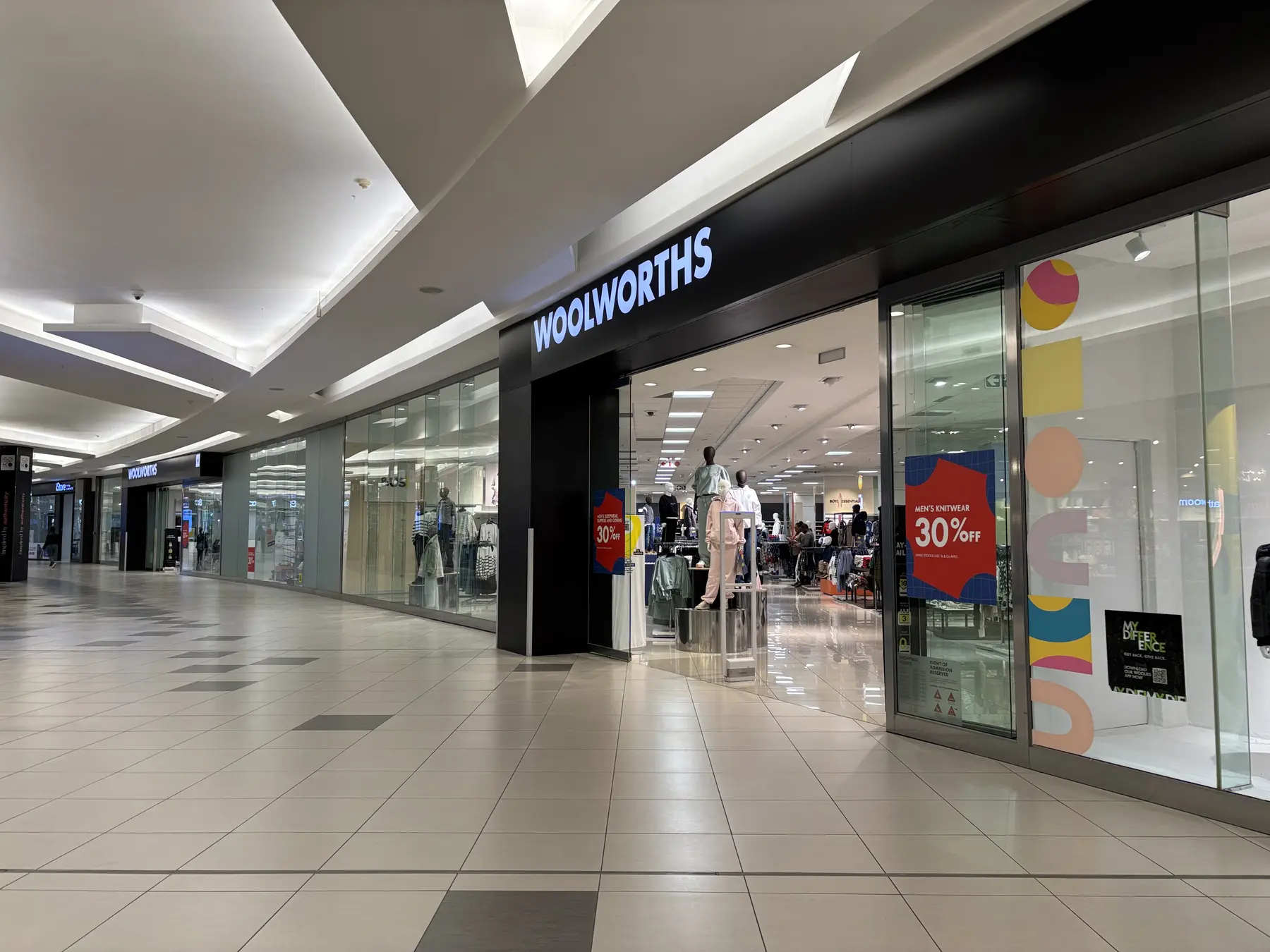
What is the origin of Woolworths in South Africa?
Max Sonnenberg founded Woolworths in Cape Town in 1931. The business opened more stores as it developed into a national retailer. [1][2]
The operating story and the corporate record begin on different dates. Woolworths Holdings was incorporated on 11 November 1929 and listed in 1997. [2]
The group now separates its South African operations from Country Road Group in Australasia. Those divisions contain different companies, brands and ownership arrangements. [2]
This history follows those relationships. It distinguishes a founder, a holding company, operating subsidiaries, a joint venture and a former subsidiary. [1][2]
1931: Max Sonnenberg starts the retail business
Woolworths identifies Sonnenberg as its founder and dates the first store to 1931. Its corporate history places that first store in Cape Town. [1]
A Durban branch followed three years later. Other stores then opened in Port Elizabeth and Johannesburg, according to the company information statement. [2]
The sequence shows an operating business spreading between cities. It does not mean that the present holding company had its current structure in 1931. [2]
Sonnenberg’s documented role is founder. This article does not convert that role into an unsupported current ownership interest. [1][2]
The legal entity, the stores and the listed group
Woolworths Holdings describes itself as an investment holding company. Its information statement gives 11 November 1929 as the incorporation date. [2]
The retail business began in 1931, two years after that legal date. The holding company later listed on the JSE in 1997. [2]
Woolworths Proprietary Limited is the group’s wholly owned South African operating company. It runs the Woolworths retail business and related activities. [2]
These dates answer different questions. Incorporation, store opening and stock-exchange listing are not interchangeable founding events. [2]
The main entities have different relationships
A group name can hide several legal and commercial relationships. The table records each company’s dated position in the Woolworths story. [2][1]
| Entity | Relationship | Key date | Control position | Sources |
|---|---|---|---|---|
| Woolworths Holdings | Listed investment holding company | Incorporated 11 November 1929 | Parent of its controlled subsidiaries | [2] |
| Woolworths South Africa | South African operating company | Retail origin in 1931 | Wholly owned by the group | [1] [2] |
| Country Road Group | Australasian fashion and lifestyle group | Fully acquired 2 September 2014 | Wholly owned by the group | [2] [5] |
| David Jones | Former Australian department-store subsidiary | Sold 31 March 2023 | No longer owned or controlled by WHL | [2] [6] |
| Woolworths Financial Services | Financial-services joint venture | Current structure in 2025 statement | Absa owns 50% plus one share | [2] |
| Absolute Pets | South African specialist pet retailer | 93.45% acquired 1 April 2024 | Controlled, but not wholly owned | [2] |
1997 to 2014: Country Road becomes a group company
Woolworths Holdings says it acquired a controlling interest in Country Road in 1997. Country Road Group’s own history gives 1998. [1][5]
The one-year difference appears in two official group records. This article reports both dates instead of presenting either as undisputed. [1][5]
Country Road Group expanded beyond its original brand. It acquired Witchery and Mimco in 2012, then added Politix in 2016. [5]
Woolworths acquired the remaining Country Road interests on 2 September 2014. Country Road became wholly owned and left the Australian exchange. [2]
2014 to 2023: David Jones enters and leaves the group
Woolworths completed its acquisition of David Jones on 1 August 2014. The transaction added an Australian department-store business to the group. [2]
That acquisition was separate from the purchase of Country Road’s remaining shares one month later. The businesses did not share the same transaction path. [2]
Woolworths sold its entire David Jones shareholding on 31 March 2023. The completed sale ended the group’s equity ownership and management control. [2]
David Jones describes the separation as a sale to Anchorage in 2022. WHL records 31 March 2023 as the disposal completion date. [6][2]
Financial services uses a joint-venture structure
Woolworths Financial Services is not a wholly owned retail subsidiary. Absa owns 50% plus one share in the joint venture. [2]
The WHL group therefore holds 50% less one share. Those equity figures should not be rounded into an equal ownership claim. [2]
Absa provides funding and controls specified funding and credit-risk areas. The joint-venture board controls strategy, products, commercial decisions and operations. [2]
Woolworths provides customer access and distribution through its stores and systems. Equity, board authority and operational integration describe different forms of influence. [2]
2024: Absolute Pets adds a specialist retail category
The group acquired 93.45% of Absolute Pets on 1 April 2024. The information statement gives a consideration of R607,397,004. [2]
Absolute Pets began in 2005 and developed as a specialist pet retailer. The acquisition extended the group beyond clothing, food and general merchandise. [2]
A 93.45% interest is a controlling stake, but it is not complete ownership. The remaining interest belongs outside the WHL group. [2]
This percentage was disclosed for the completed acquisition. It should not be repeated without its date or treated as a voting-rights statement. [2]
Sam Ngumeni and the current management layer
Sam Ngumeni became group chief executive on 1 June 2026. He had served as a WHL executive director since 2014. [3][4]
His earlier roles included chief executive of Woolworths Financial Services, chief operating officer and chief executive of the Food business. [3]
Ngumeni’s appointment concerns management. It does not show that he owns Woolworths Holdings or its operating subsidiaries. [3][2]
The distinction matters in a listed group. Directors manage the company under governance arrangements, while shareholders hold dated equity interests. [2][3]
What Woolworths owns after the David Jones sale
The group’s two operating divisions are Woolworths South Africa and Country Road Group. Country Road is wholly owned and operates in Australasia. [2]
The South African division includes the Woolworths operating company. It also contains the group’s 50% less one share financial-services interest. [2]
Absolute Pets sits within the wider South African retail portfolio through a 93.45% controlling interest acquired in 2024. [2]
David Jones is absent from this ownership structure because the group sold the entire shareholding in March 2023. [2]
Why the distinctions change the history
Sonnenberg’s 1931 store explains the entrepreneurial origin. The 1929 entity explains the legal record, and the 1997 listing explains the quoted company. [1][2]
Country Road shows a staged acquisition. Woolworths first obtained control, then bought the remaining interests and completed full ownership in 2014. [1][2]
David Jones shows that group boundaries can contract. A former subsidiary remains important to history after a complete disposal. [2]
Financial services and Absolute Pets show two other structures. One is a joint venture, while the other is a controlled but partly owned subsidiary. [2]
How the holding company links the businesses
Woolworths Holdings sits above controlled operating companies. It allocates capital and reports the combined financial results of businesses inside its consolidation boundary. [2]
That boundary can change after acquisitions and sales. Country Road entered through staged purchases, while David Jones left through a complete share disposal. [2][5]
A brand can therefore remain familiar while its corporate relationship changes. Historical ownership does not prove present ownership or control. [2]
The group structure also changes how readers should use the Woolworths name. Context must identify the listed parent, operating company or retail brand. [2]
Why Country Road and David Jones need separate records
Country Road and David Jones both operated in Australia, but Woolworths acquired them through separate deals and on different dates. [2]
Country Road’s relationship began with a controlling interest. Woolworths later bought the minority interests and made the company wholly owned. [1][2]
David Jones entered through a complete company acquisition in August 2014. Woolworths later sold the entire shareholding in March 2023. [2]
Country Road therefore remains inside WHL, while David Jones does not. Shared geography and former reporting links do not make them one entity. [2]
How to read the dated ownership figures
The financial-services percentages describe issued shares in that joint venture. They do not describe Woolworths Holdings shareholder voting rights. [2]
The Absolute Pets percentage describes WHL’s acquisition interest. It does not identify every minority holder or establish an unchanged future percentage. [2]
The David Jones disposal covers the entire shareholding. That wording supports a complete exit, unlike the continuing minority interest in Absolute Pets. [2]
Each figure needs its entity and date. Removing either context can turn an accurate disclosure into a misleading statement about control. [2]
Sources
- Woolworths Holdings, Our history. Original source. Accessed 2026-10-22. ↩
- Woolworths Holdings, Information statement: group history, structure and Woolworths Financial Services arrangements, 2025-11-28. Original source. Accessed 2026-10-22. ↩
- Woolworths Holdings, Directorate: Sam Ngumeni. Original source. Accessed 2026-10-22. ↩
- Woolworths Holdings, Summary of the audited group results for the 52 weeks ended 28 June 2026, 2026-09-02. Original source. Accessed 2026-10-22. ↩
- Country Road Group, Our history. Original source. Accessed 2026-10-22. ↩
- David Jones, David Jones announces leadership changes, 2026-06-22. Original source. Accessed 2026-10-22. ↩