Ingonyama Trust
The Ingonyama Trust is the statutory trust holding approximately 2.8 million hectares of communal land in KwaZulu-Natal for the benefit of the communities concerned.
Published · Last reviewed
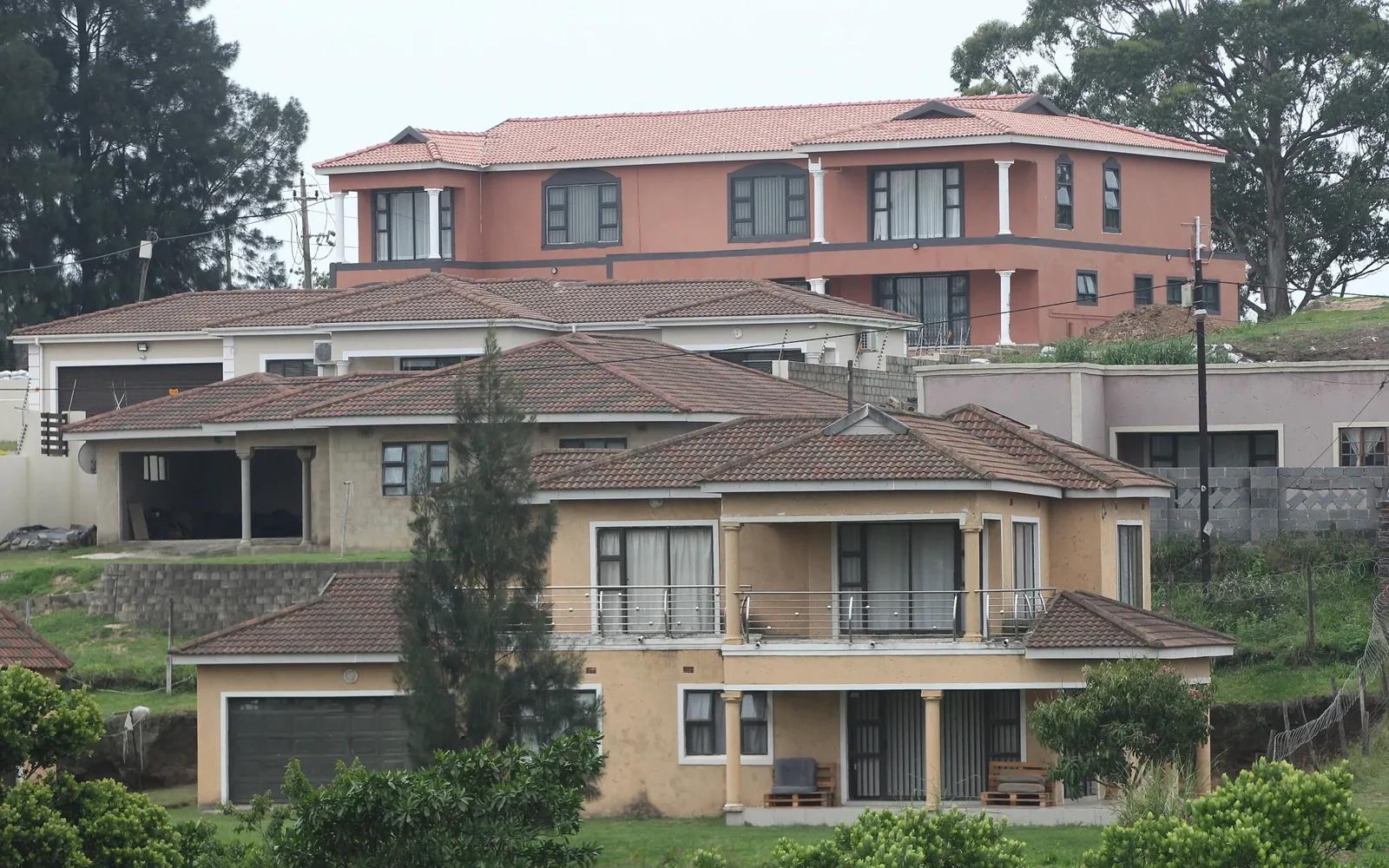
The Trust was established under the KwaZulu Ingonyama Trust Act of 1994. It holds land formerly vested in the KwaZulu government. The land is held for the welfare of the communities concerned. [1]
History
The Trust describes its landholding as approximately 2.8 million hectares in KwaZulu-Natal. That is an area measure, not a count of development sites. It does not measure land ready for investment. [2]
The 1997 amendment extended beneficiary categories and created an administrative Board. It addressed existing rights, national land programmes and excluded land categories. The statutory Trust must therefore be understood through its legal purpose and beneficiaries. [3]
Trust, King and Board
The King is the sole trustee. The Board administers the Trust, with the responsible minister exercising statutory responsibilities. [4]
Residential leases and customary rights
In June 2021, the Pietermaritzburg High Court ruled against the conversion of residents’ customary or informal land rights into residential leases. The Legal Resources Centre’s account records findings against both the Trust and the Board and an order concerning refunds. [5]
The ruling concerned the residential lease programme and the rights of beneficiaries. It should not be paraphrased as a blanket prohibition on every commercial lease or development project. The University of Cape Town’s law review explains the relationship between customary rights, permissions to occupy and constitutional protection. [6]
Rural development and investment
The Trust presents agriculture, tourism, commercial development and related partnerships as ways to support rural economic activity. Its rural-growth page describes a commercial development in Manguzi as one example. These are the institution’s published descriptions, rather than independently audited outcomes in this profile. [7]
The September 2026 investment indaba brought the land-development debate into public view. SAI reported the disruption at the Durban ICC and the later apology. The event is part of the Trust’s recent history, but it does not replace the longer statutory and community context. [8]
Frequently asked questions
How much land does the Ingonyama Trust hold?
The institution describes its holding as approximately 2.8 million hectares in KwaZulu-Natal. This figure measures land area, not a number of investment sites. [2]
Key milestones
Related people
Related articles
Related institutions
Sources
- Ingonyama Trust, Institutional history and mandate. Original source. Accessed 2026-10-02. ↩
- Ingonyama Trust, Governance and compliance. Original source. Accessed 2026-10-02. ↩
- South African Government, KwaZulu-Natal Ingonyama Trust Amendment Act 9 of 1997, 1997-04-11. Original source. Accessed 2026-10-02. ↩
- Department of Land Reform and Rural Development, Minister Nyhontso on the suspension of the Ingonyama Trust Board. Original source. Accessed 2026-10-02. ↩
- Legal Resources Centre, LRC and CASAC welcome ruling on Ingonyama Trust residential leases, 2021-06-11. Original source. Accessed 2026-10-02. ↩
- University of Cape Town Faculty of Law, The Ingonyama Trust: landmark ruling, 2021-06-15. Original source. Accessed 2026-10-02. ↩
- Ingonyama Trust, Rural economic growth. Original source. Accessed 2026-10-02. ↩
- South African Index, Zulu regiments disrupt the Ingonyama Trust indaba: SAI reporting and visual record, 2026-09-30. Original source. Accessed 2026-10-02. ↩